
FORMAGGIO
ITALIAN EDUCATION
Cheese is far more than just an ingredient in Italian cooking, it is a story of tradition, craftsmanship, and regional pride. For centuries, Italians have perfected the art of transforming simple milk into an astonishing variety of flavours, textures, and aromas. From the sharp, crystalline bite of Parmigiano Reggiano to the soft, creamy melt of Mozzarella di Bufala, each cheese reflects the history, climate, and culture of the region where it is made. In Italian cuisine, cheese plays a vital role in enhancing and balancing flavours. It can be the star of a dish, as in risotto al Parmigiano, or a subtle finishing touch, like a delicate sprinkle over fresh pasta.
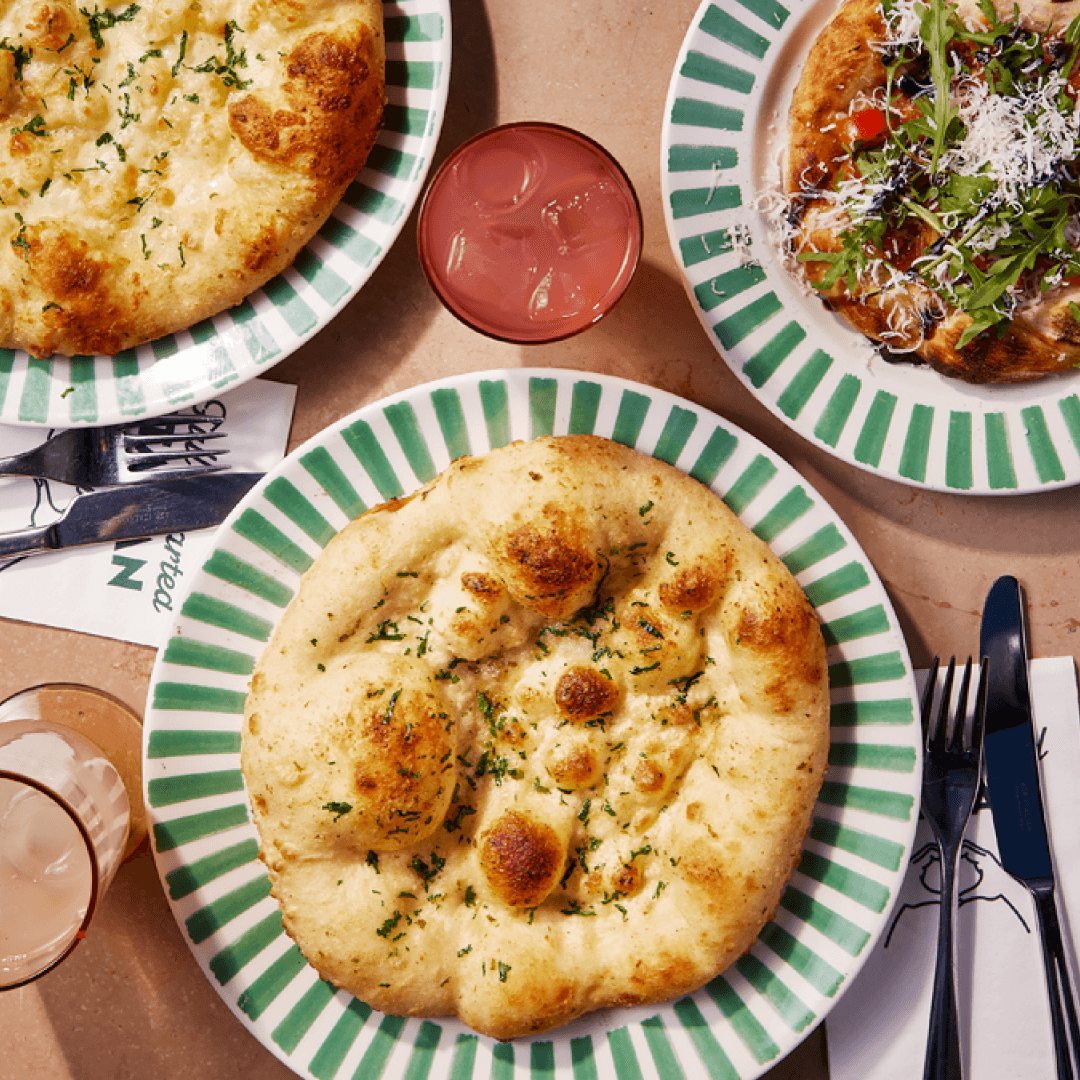
CHEESE FROM OUR KITCHENS
Find out a little bit more about the cheeses you serve from our kitchens.
Mozzarella
Campania/Puglia
A soft, white cheese made from the milk of water buffalo or cow’s milk. It has a delicate, milky flavour & stretches well, making it perfect for pizzas, salads, and fresh antipasti.
Burrata
Puglia
A fresh cheese made from cow’s milk, burrata has a soft shell of mozzarella filled with a viscous, solids of mozzarella mixed with cream. When cut open, the creamy center spills out, offering a rich, buttery taste and luxurious texture.
Scamorza
Campania/Puglia
Scamorza is a semi-soft, stretched-curd cheese that’s made from cow’s milk or sometimes mixed with sheep’s milk. The smoked version is hung and exposed to natural wood smoke, giving it a golden-brown exterior and a subtly smoky aroma.
Goats Cheese
Veneto
Smooth, creamy, and spreadable, often with a slightly crumbly edge when aged a bit longer.
Ricotta Salata
Sicily & Sardinia
Ricotta Salata is pressed, salted, and aged version of ricotta cheese. Like fresh ricotta, which is soft and creamy, ricotta salata is firm, dry, and crumbly with a salty, nutty flavour.